The PCOS Brief
One PCOS lifestyle study each week: what it found, where its limits are, and why it matters. Written by Alishah Khan, MPH.
Browse all storiesGet the next PCOS Brief.
One study, every week. Delivered to your inbox.
The signup form couldn’t load. Try again or open it in a new tab.
Selected reads
A closer look at the research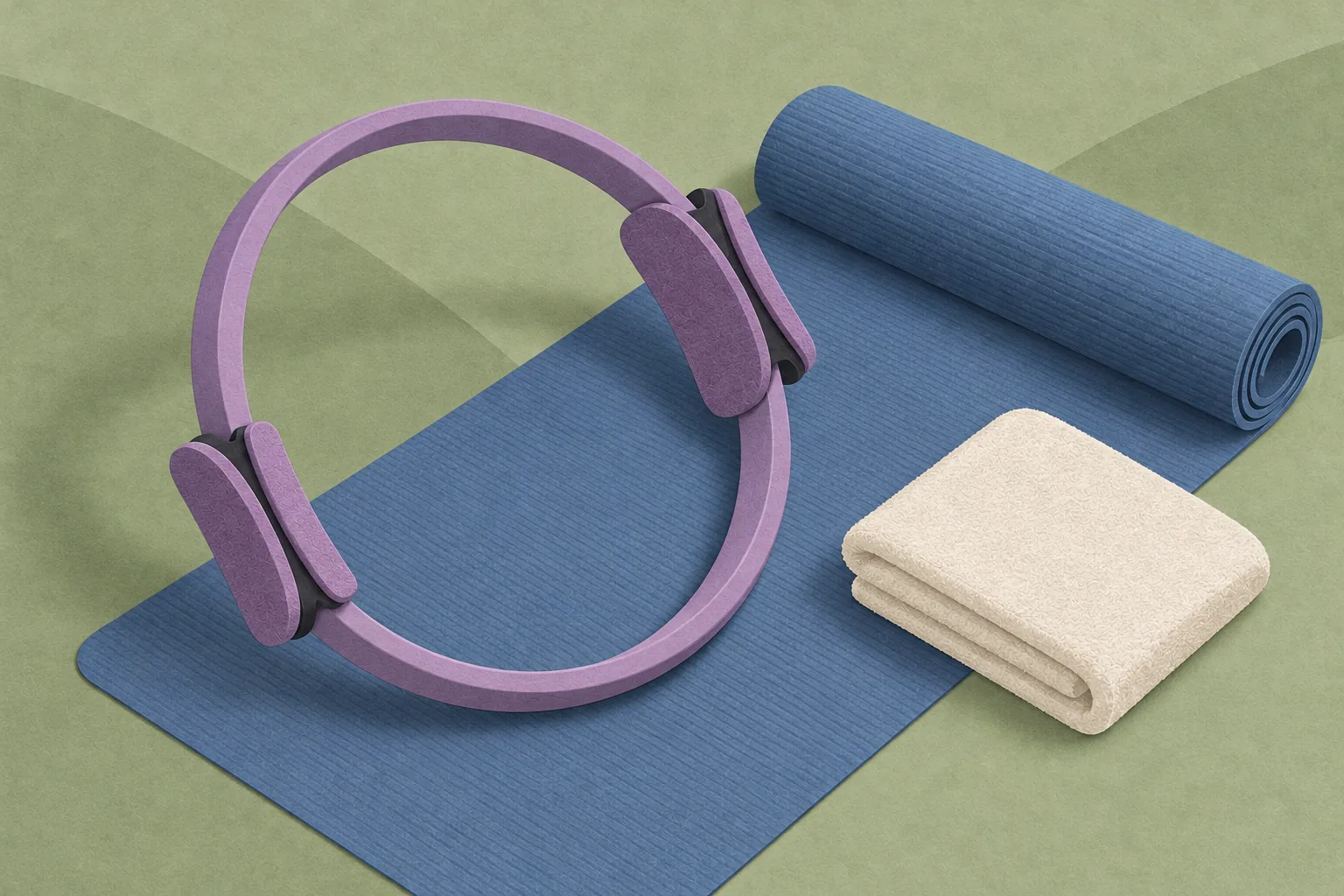
Does Pilates help PCOS period pain?
A 12-week study of 26 women found less pain and shorter cycles
Read the story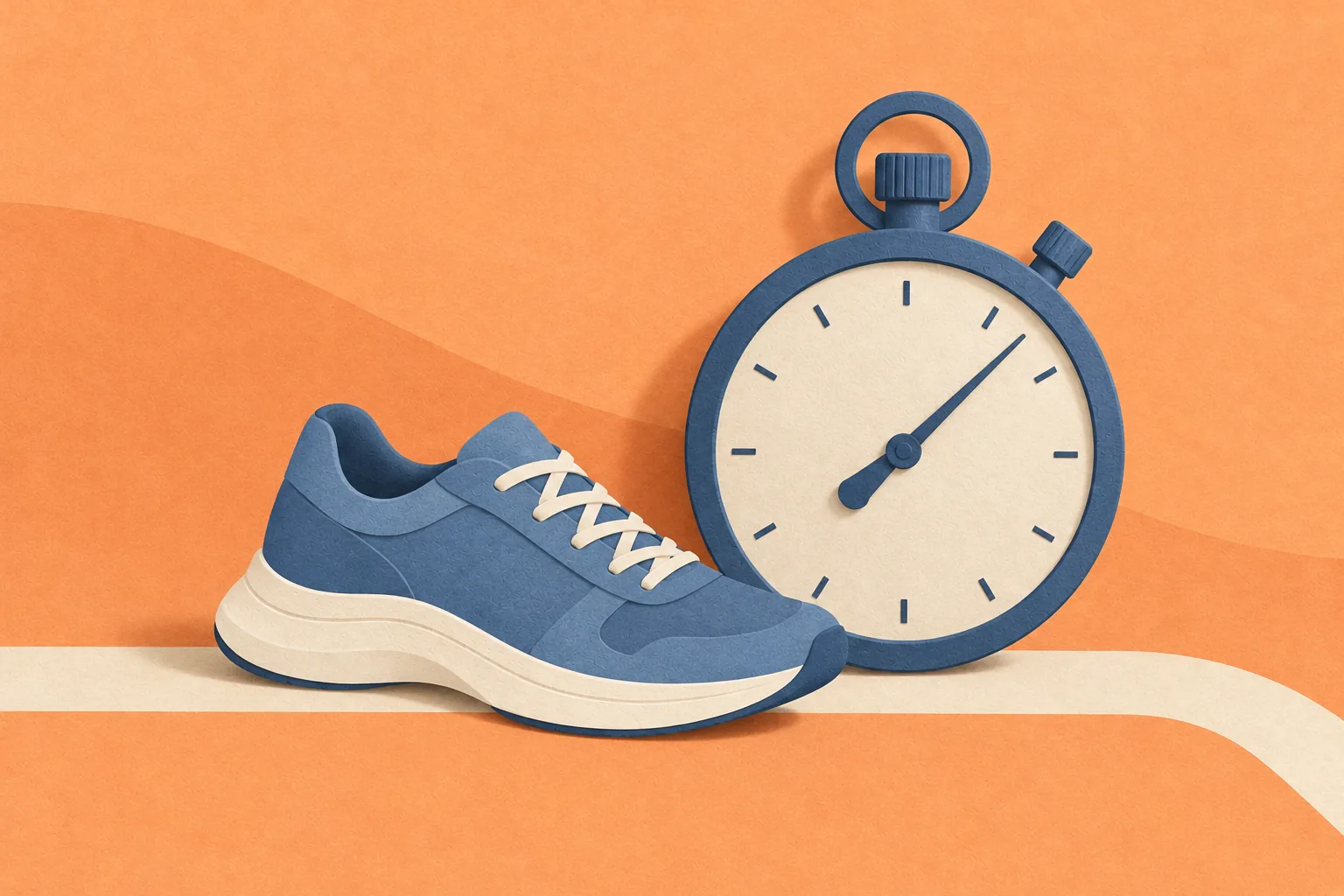
Does interval training lower androgens in PCOS more than steady cardio?
After 12 weeks the free androgen index fell further with intervals
Read the story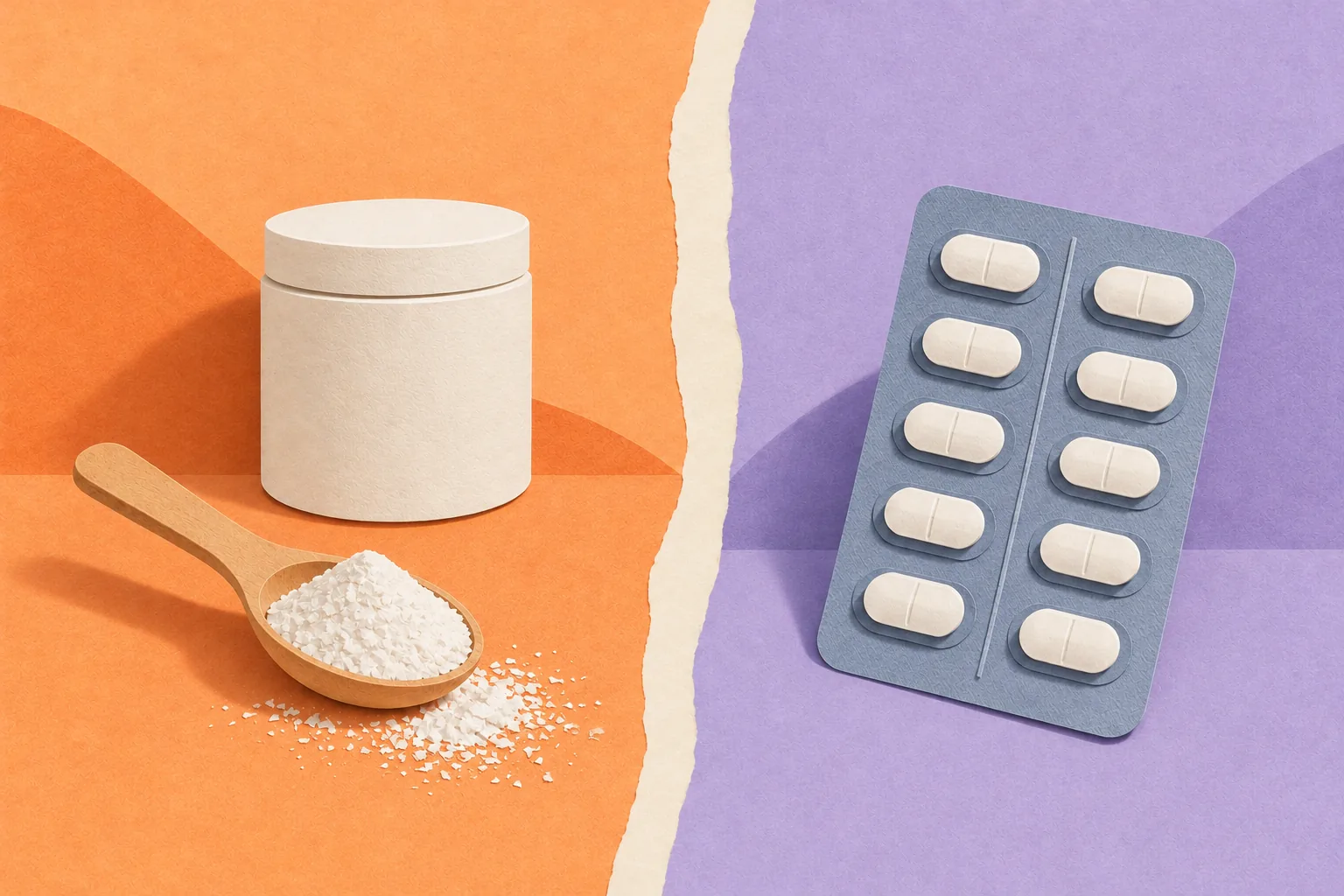
Does myo-inositol work as well as metformin if you have lean PCOS?
A trial in women with a normal BMI found both lowered insulin and androgens
Read the storyAll stories
Newest firstMediterranean eating and anxiety in PCOS: a 3-month randomized trial where personalized diet support halved anxiety scores
Forty young women with PCOS were randomly split into two groups for three months.
Does yoga help with depression in PCOS?
A 12-week randomized trial found a 6-point drop
Does vitamin K2 help with depression in PCOS?
An 8-week placebo-controlled trial found a small improvement
Why is exercise so hard with PCOS?
A 20-week trial found the barriers tracked with mood, not body weight
Does Pilates help PCOS period pain?
A 12-week study of 26 women found less pain and shorter cycles
Does interval training lower androgens in PCOS more than steady cardio?
After 12 weeks the free androgen index fell further with intervals
Does myo-inositol work as well as metformin if you have lean PCOS?
A trial in women with a normal BMI found both lowered insulin and androgens
Can exercise improve sexual function with PCOS?
After 16 weeks, both aerobic training groups crossed back above the clinical threshold
Can exercise improve body image with PCOS?
16 weeks of aerobic training eased body dissatisfaction, but not how women judged their own size
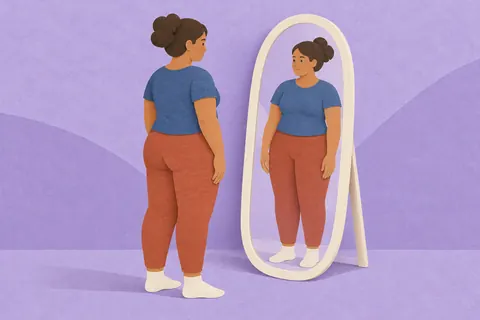
Does HIIT help PCOS anxiety and depression?
A 12-week randomized trial found intervals eased all three mood measures, moderate exercise only eased stress
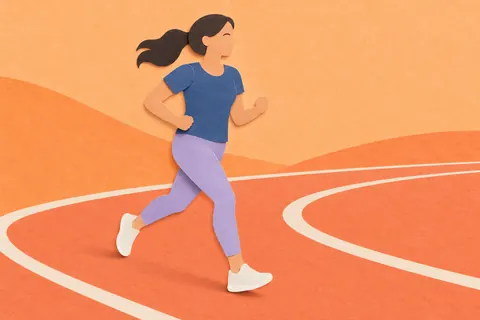
Is high-protein or high-carb better for PCOS?
A randomized trial found the weight loss did the real work, not the macro split
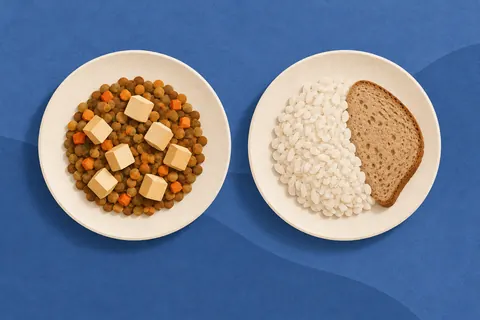
Can exercise or acupuncture help irregular periods in PCOS?
A randomized trial found both worked, with acupuncture the stronger
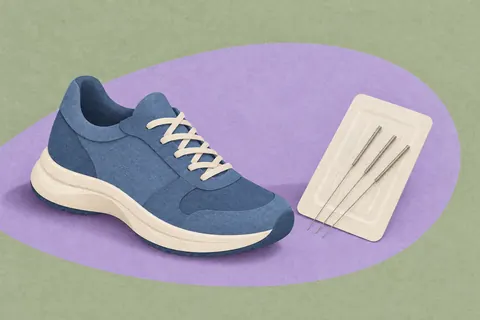
Can strength training help you sleep better with PCOS?
A randomized trial of 24 women found 4 weeks of bodyweight exercises improved sleep scores
Does inositol actually lower testosterone in PCOS?
A review of 26 trials and 1,691 women found it did — and matched metformin with fewer side effects
Can a low-starch, low-dairy diet lower insulin and testosterone in PCOS?
What a study of 24 women found
Does the Mediterranean diet lower testosterone in PCOS?
What a study of 224 women found
Exercise improved testosterone, insulin resistance, and cholesterol in women with PCOS, without any weight loss: a randomized controlled trial of combined strength and cardio training
A randomized controlled trial of 30 women with PCOS: 8 weeks of combined strength and cardio training significantly lowered testosterone, insulin resistance, and cholesterol — without weight loss.
Yoga vs. conventional exercise for anxiety in PCOS: a randomized trial in adolescent girls shows yoga significantly better for trait anxiety over 12 weeks
A 12-week randomized trial of 90 adolescent girls with PCOS: both yoga and matched conventional exercise reduced anxiety, but yoga was significantly better for trait anxiety — the kind that lingers.
Omega-3 supplementation, testosterone, and menstrual regularity in PCOS: a double-blind randomized trial of 78 overweight women shows real hormonal change in 8 weeks
A double-blind randomized trial of 78 overweight women with PCOS: 8 weeks of omega-3 (3 g/day) lowered testosterone vs. placebo, and twice as many women had regular cycles by the end (47% vs. 23%).
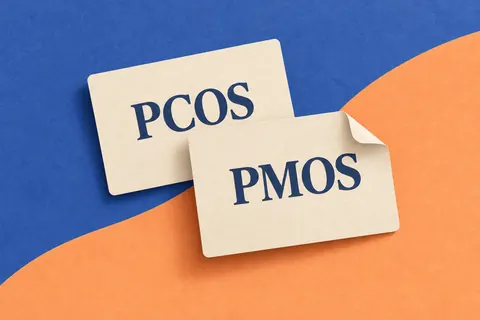
PCOS is now PMOS. Here's what's changing, what's not, and why we're not done.
PCOS was officially renamed polyendocrine metabolic ovarian syndrome (PMOS) this week in a landmark Lancet consensus. What's actually changing, what's not, and where Sachi fits.
Aerobic exercise, quality of life, and PCOS: a 16-week randomized trial where nobody dropped out
A 16-week randomized controlled trial of overweight women with PCOS had zero dropouts in the exercise group — and improved quality of life, fitness, BMI, blood pressure, cholesterol, and inflammation.
Does spearmint tea lower testosterone in PCOS?
What a 30-day randomized trial found
Sleep timing, weight-neutral counseling, and emerging PCOS in adolescents: a cohort study of 43 girls at Michigan Medicine
A weight-neutral approach plus a focus on sleep timing produced significant weight loss in 43 adolescents with emerging PCOS at Michigan Medicine. What the study found, what it means, and what's actually actionable.